

Structural Integrity
It provides a solid foundation that helps maintain the stability of the structure, reducing the risk of cracks and shifting over time.
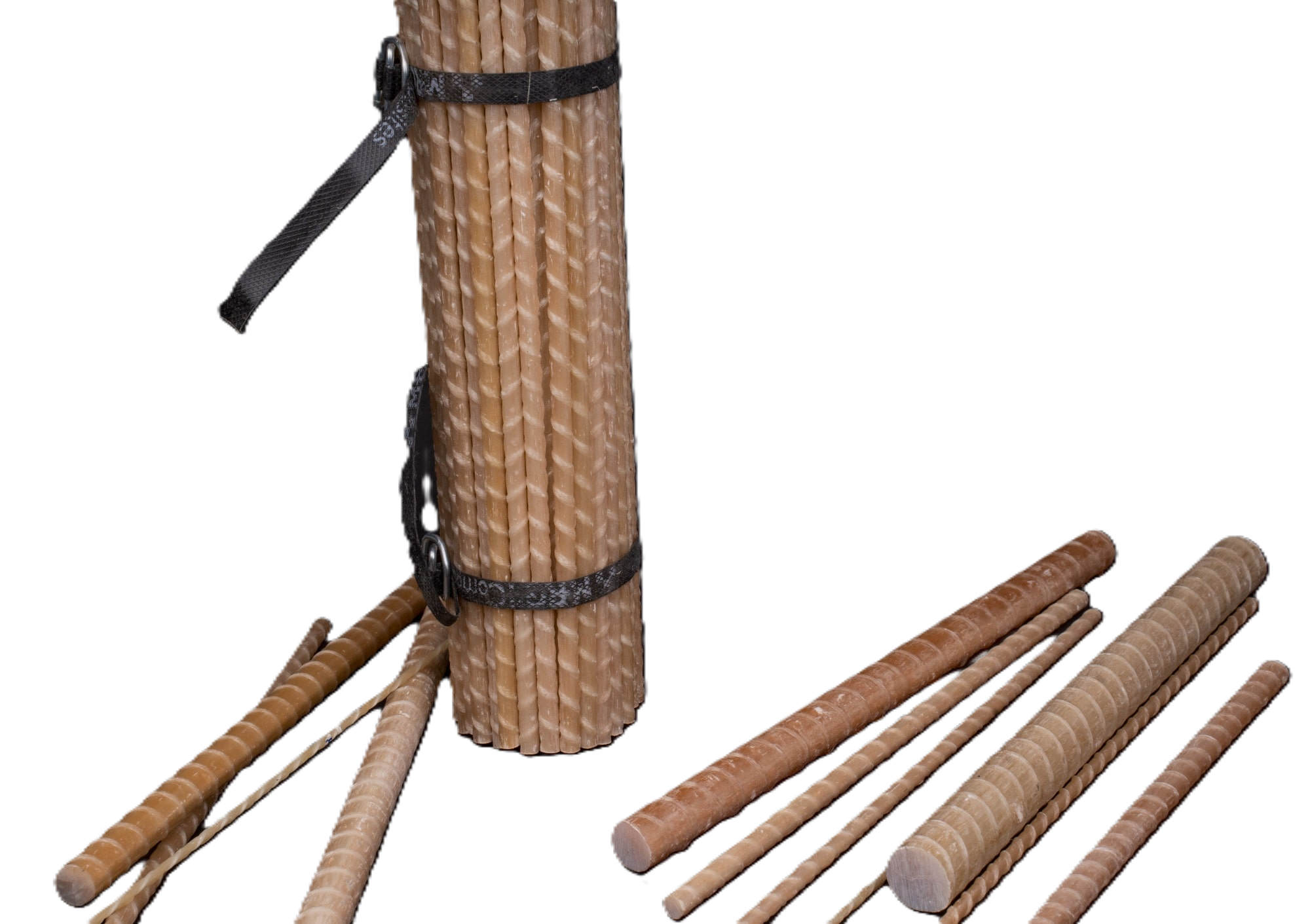
Glass Fiber Reinforced Polymer is an ideal composite material for slab base and industrial floor construction. GFRP consists of Glass Fiber and polymer resin. Unlike steel reinforcement bars, GFRP bars offer a corrosion-resistant, strong, lightweight, nonconductive, durable, or longer lifespan.
The base slab is a horizontal structure for new buildings. It consists of typical cast concrete and GFRP rebars. Base slab requires a strong material that can be resolute in the worst conditions. GFRP Rebar comes with properties that complete the requirements of base slab construction. GFRP bar is an ideal choice for slab base and industrial floor construction.
The base slab is a construction structure between the subgrade and the concrete slab construction. It is typically between 100 mm and 500 mm thick and is used between floors and ceilings. A base slab is the foundation element of a structure that distributes the load of the building or structure to the ground. It provides stability and ensures that the structure remains level and secure.
Enquire Now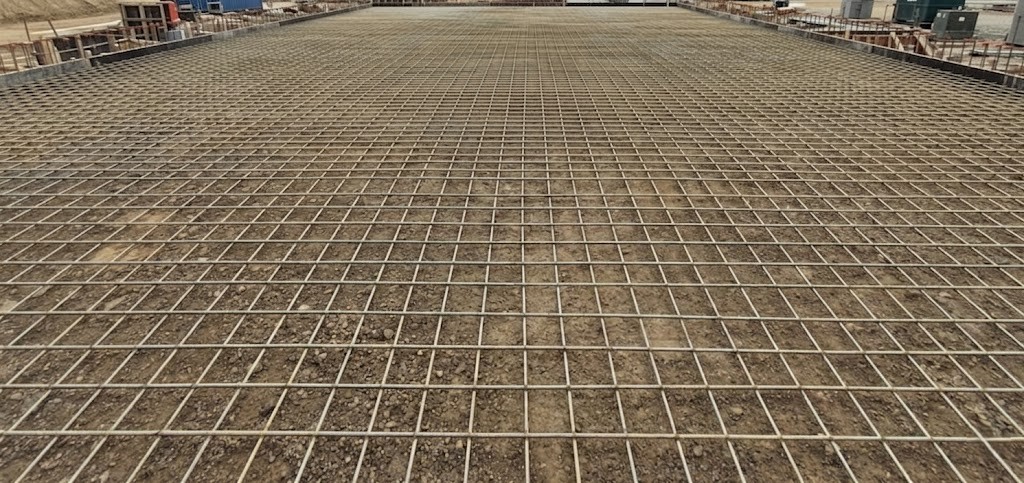
GFRP Bars are compatible with water, salt, and other chemicals. GFRP does not rust or corrode; it improves the life span of slab building construction.
GFRP Rebar is a cost-effective material. It decreases base slab maintenance cost and installation costs. GFRP improves the life span of construction.
GFRP Rebars are two times stronger than traditional steel reinforcement bars. GFRP bars increase the strength of base slab constructions.
GFRP Rebar does not conduct electricity, making it ideal for base slabs in electrical-sensitive environments.
GFRP Bars are ¼ lighter than traditional steel bars. GFRP makes base slab construction lighter and provides more strength.
It provides a solid foundation that helps maintain the stability of the structure, reducing the risk of cracks and shifting over time.

The base slab evenly spreads the weight of the building, preventing uneven settling or foundation damage.

Reinforced base slabs, especially with materials like GFRP rebar, extend the foundation's lifespan, reducing the need for repairs or maintenance.

A base slab acts as a barrier, protecting the building's foundation from groundwater, moisture, and soil erosion.
Industrial flooring provides durable, resilient surfaces for factories, warehouses, and manufacturing plants. Floors endure heavy machinery, high traffic, chemical spills, and extreme conditions. Common types like epoxy, polyurethane, concrete, and MMA flooring meet specific needs such as load-bearing capacity, chemical resistance, and slip resistance. These floors offer impact resistance and are easy to maintain, ensuring long-lasting performance in harsh industrial environments while meeting safety and hygiene standards.
Enquire Now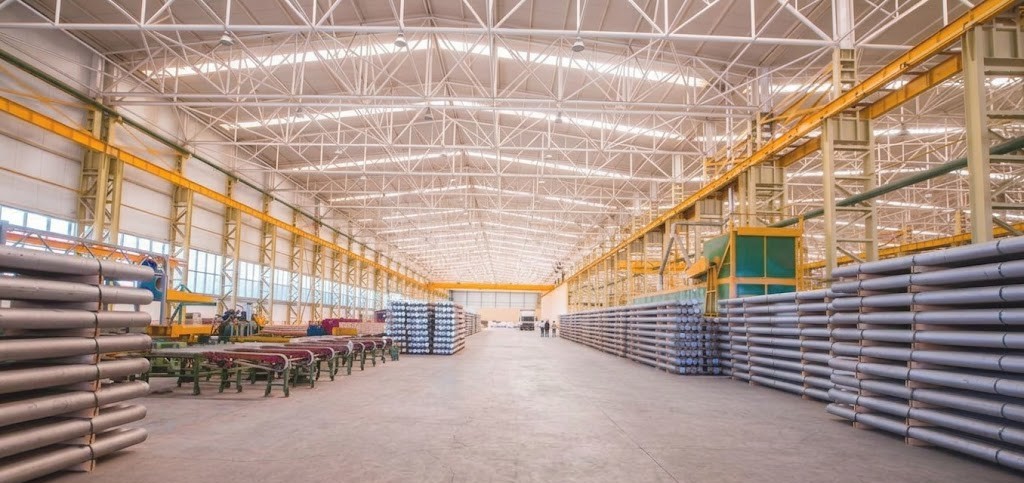

















Contact Us
Get high performance GFRP composite rebar at the best price on your next project