c o m p o s i t e s

Strength

Strength
Understanding Strength: The Construction Challenge
In today’s construction industry, strength plays a vital role in ensuring the safety, durability, and long-term performance of structures. Buildings, bridges, roads, and industrial projects constantly face challenges such as environmental exposure, material deterioration, and structural stress. Traditional steel reinforcement often suffers from corrosion, leading to higher maintenance costs, reduced lifespan, and costly repairs over time.
To overcome these issues, advanced reinforcement solutions like GFRP Rebar have become increasingly important. At Mittal Composites, we provide high-performance GFRP Rebar that combines exceptional strength, durability, and corrosion resistance for modern construction needs.
Why Strength is Important in Construction
Strong construction materials are essential for maintaining structural stability and ensuring long-lasting performance. Reinforcement materials used in bridges, buildings, highways, marine structures, and industrial flooring must withstand heavy loads, harsh weather conditions, and continuous environmental exposure.
Weak or corroded reinforcement can lead to cracks, reduced load-bearing capacity, and structural damage. By using advanced reinforcement solutions like GFRP Rebar, engineers and contractors can achieve stronger, safer, and more reliable construction projects.
Effects of Corrosion on Construction
Structural Damage: Corrosion weakens reinforcement materials, causing cracks and reducing the overall strength of structures.
Increased Maintenance Costs: Corroded structures require regular inspection, repair, and maintenance, leading to higher operational expenses and downtime.
Reduced Service Life: Continuous corrosion shortens the lifespan of buildings and infrastructure, often resulting in costly replacements or reconstruction.
To address these challenges, builders require a reinforcement material that delivers high strength, corrosion resistance, and long-term durability. GFRP Rebar from Mittal Composites is designed to meet these demands effectively.
What Is GFRP Rebar?
GFRP (Glass Fiber Reinforced Polymer) Rebar is an advanced reinforcement material used as an alternative to conventional steel rebar. It is manufactured using high-strength glass fibers combined with a durable polymer resin matrix.
GFRP Rebar offers several advantages over traditional steel reinforcement, including lightweight performance, high tensile strength, corrosion resistance, and extended durability. These qualities make it an ideal solution for modern construction applications.
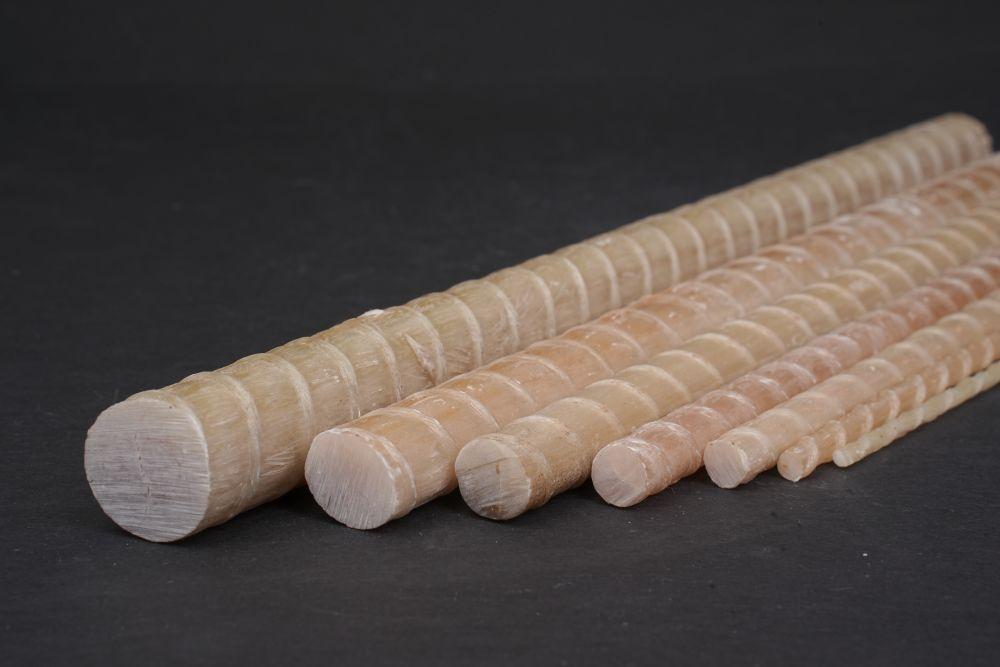
Key Features of GFRP Rebar
High Strength: GFRP Rebar provides significantly higher tensile strength compared to conventional steel reinforcement, helping improve structural performance and durability.
Lightweight: GFRP Rebar is substantially lighter than steel, making transportation, handling, and installation easier while reducing overall project weight.
Corrosion Resistance: Unlike steel, GFRP Rebar does not rust or corrode when exposed to water, salt, chemicals, or harsh environmental conditions.
Non-Magnetic Properties: GFRP Rebar is non-magnetic and non-conductive, making it suitable for projects requiring electromagnetic neutrality.
Longer Service Life: The material maintains its structural properties over time, reducing the need for frequent repairs and replacements.
Why GFRP Rebar is a Better Choice for Construction
Excellent Corrosion Resistance: Corrosion is one of the leading causes of structural deterioration. GFRP Rebar is resistant to moisture, chemicals, and salts, ensuring long-lasting durability even in aggressive environments.
Reduced Structural Weight: Its lightweight nature helps lower transportation and installation costs while simplifying construction processes. It is especially beneficial for bridges, marine structures, and elevated projects.
Superior Tensile Performance: GFRP Rebar delivers high tensile strength, allowing structures to handle heavy loads and resist cracking or deformation.
Thermal and Electrical Neutrality: Since GFRP does not conduct electricity or heat, it is ideal for specialized infrastructure projects such as tunnels, substations, and industrial facilities.
Cost-Effective Over Time: Although the initial investment may be higher than steel, the reduced maintenance costs and extended service life make GFRP Rebar a highly economical solution in the long run.
Applications of GFRP Rebar
Bridges and Marine Structures: Its resistance to water, saltwater, and chemicals makes GFRP Rebar ideal for coastal and marine infrastructure.
Roads and Highways: GFRP Rebar performs effectively in demanding environmental conditions, increasing the lifespan of road construction projects.
Industrial Flooring: It can withstand heavy machinery loads and chemical exposure without deterioration.
Underground and Tunnel Infrastructure: The non-conductive and non-magnetic properties of GFRP make it suitable for tunnels and electrically sensitive environments.
Water Treatment Plants: GFRP Rebar resists moisture and harsh chemicals, making it an excellent choice for water treatment facilities.
GFRP Rebar vs Steel Rebar
GFRP Rebar is becoming a preferred alternative to steel reinforcement due to its advanced performance characteristics. It offers a higher strength-to-weight ratio and excellent resistance to corrosion, unlike steel which gradually weakens over time due to rust.
Structures reinforced with GFRP Rebar require less maintenance and provide a longer service life. Additionally, its low thermal conductivity improves stability in varying temperature conditions, making it a reliable reinforcement solution for modern infrastructure.
Conclusion
GFRP Rebar has transformed the construction industry by offering a stronger, lighter, and more durable alternative to traditional steel reinforcement. Its outstanding corrosion resistance, high tensile strength, and long service life make it an ideal solution for modern infrastructure projects.
At Mittal Composites, we are committed to delivering premium-quality GFRP Rebar solutions that enhance structural performance while reducing maintenance and lifecycle costs. Whether for bridges, roads, marine structures, industrial flooring, or water treatment facilities, GFRP Rebar provides the strength and reliability required for sustainable construction.
GFRP Rebar Advantages

Corrosion Resistant

Stronger

Lighter

Cost Effective

Zero Maintenance

Longer Life Span

Eco Friendly

Dielectric

Easy To Transport

Water Resistant

Less Thermal Expansion

Radio Transparent

Durable

Lower Installation Cost

Easy Site Handling & Easy Cutting

Faster And Safer Installation

Reduced Concrete Coverage